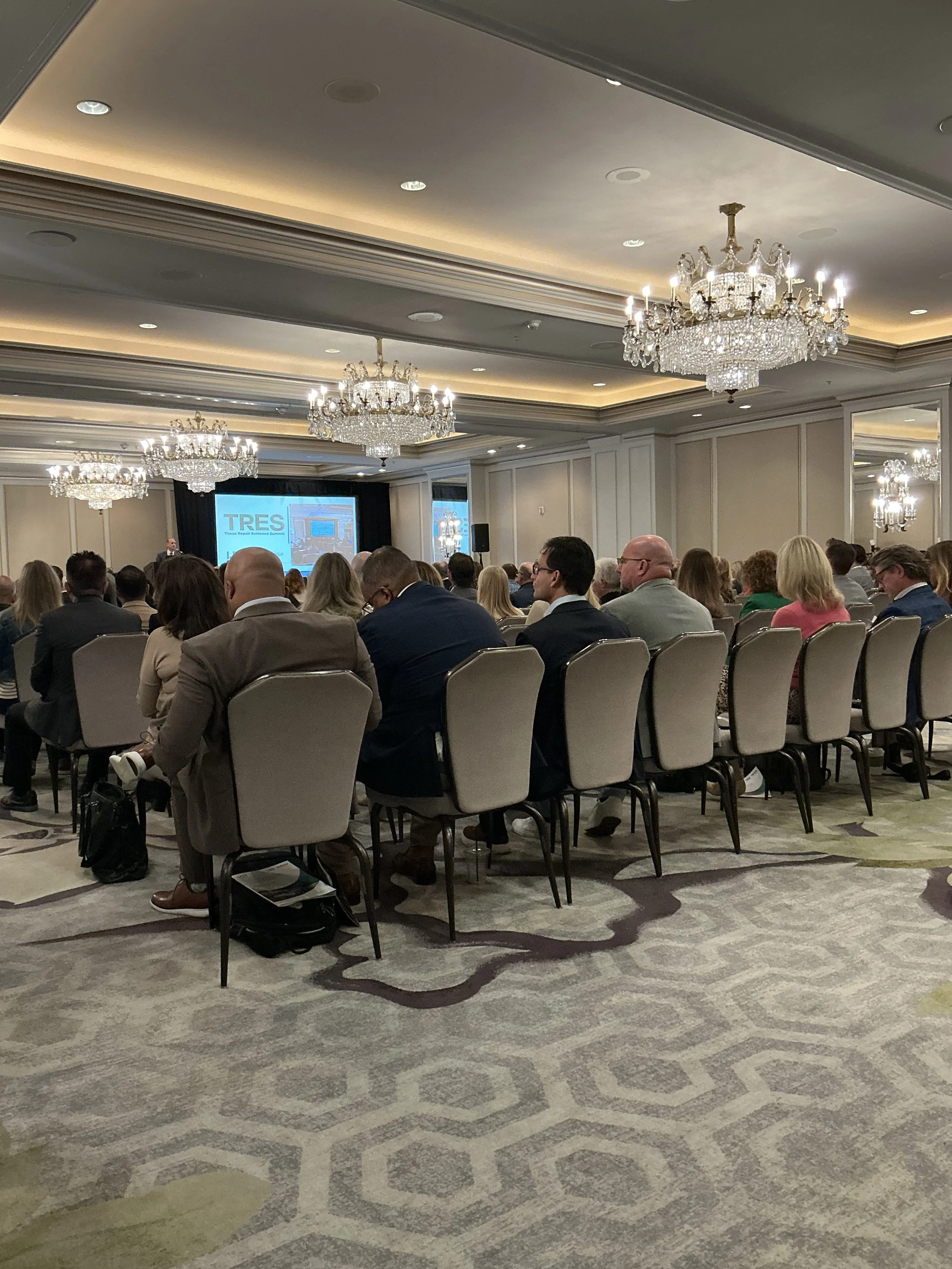
Kenexus Webinars
Revisit expert-led discussions on reimbursement, access, innovation, and sustainable practice.
Watch On Demand
What began as a passion project has evolved into something more. We’re proud of where we’ve been and even more excited for what’s ahead. What sets us apart isn’t just our process - it’s the intention behind it. We take time to understand, explore, and create with purpose at every turn.



Helicoll High-Purity Type I Collagen: A Native, Uncrosslinked Scaffold for Hard-to-Heal Wounds
Watch on-demand NOW!
Collagen matrices have long been used in wound care, but our understanding of how collagen interacts with the wound environment – and why the characteristics of the collagen matrix matter – continues to evolve.
Join Windy Cole, DPM, CWSP, FFPM RCPS (Glasg) for an evidence-based exploration of the biology of Type I collagen and its role in hard-to-heal wounds. Moving beyond the traditional view of collagen as simply a structural scaffold, this webinar will examine the importance of matrix biocompatibility, architecture and bioactivity in supporting the healing process.
Dr. Cole will explore key differences between collagen technologies, including purity, chemical crosslinking, scaffold architecture, porosity and biomimetic modification, before taking a closer look at Helicoll, a high-purity, native, uncrosslinked Type I collagen bioengineered skin substitute.
The session will examine Helicoll's proposed mechanism of action and review its clinical evidence across diabetic foot ulcers, venous leg ulcers, pressure injuries and complex wounds. It will also explore the particular challenges presented by the diabetic wound, including how hyperglycemia and glycation can interfere with collagen maturation and tissue repair.
In this webinar, you will learn:
Why Type I collagen and matrix architecture are important within the hard-to-heal wound environment
How collagen technologies differ, including purity, crosslinking, architecture, porosity and biomimetic modification, and why these characteristics may matter clinically
The biology and proposed mechanisms of action of Helicoll, a native, high-purity, uncrosslinked Type I collagen matrix
The clinical evidence supporting Helicoll, including randomized and comparative evidence across multiple wound types
How glycation can disrupt collagen maturation in the diabetic wound, and the proposed role of native collagen within this environment
Register now to join the live webinar and Q&A.
What Previous Webinars Have Covered
-
Current statistics, recurrence rates, and mortality data
Why awareness remains inconsistent across care settings
-
Prophylactic use of wound dressings
The role of frequent repositioning and structured care protocols
-
The role of CAMPs and consensus guidance
Understanding the distinction between 361 amniotic products and 510(k)-approved products
Why FDA-cleared indications provide greater clinical and regulatory confidence in treatment decisions
-
The clinical relevance of keratinocytes in wound healing
Keramatrix as a case example of keratin-based innovation
Practical considerations for initial application and reapplication
You will taken to our secure webinar registration page
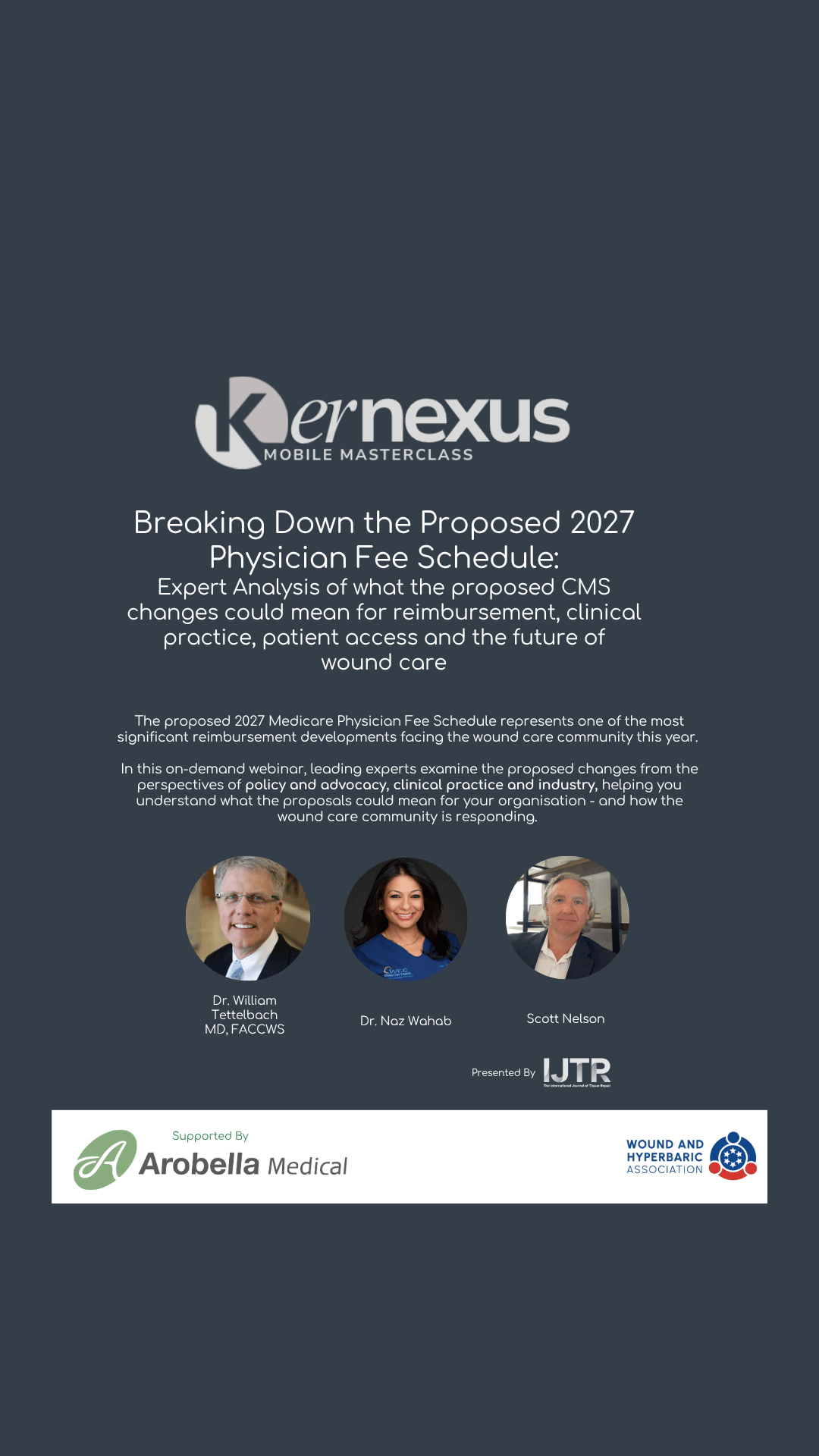
Mobile Masterclass Webinar: Breaking Down the Proposed 2027 PFS
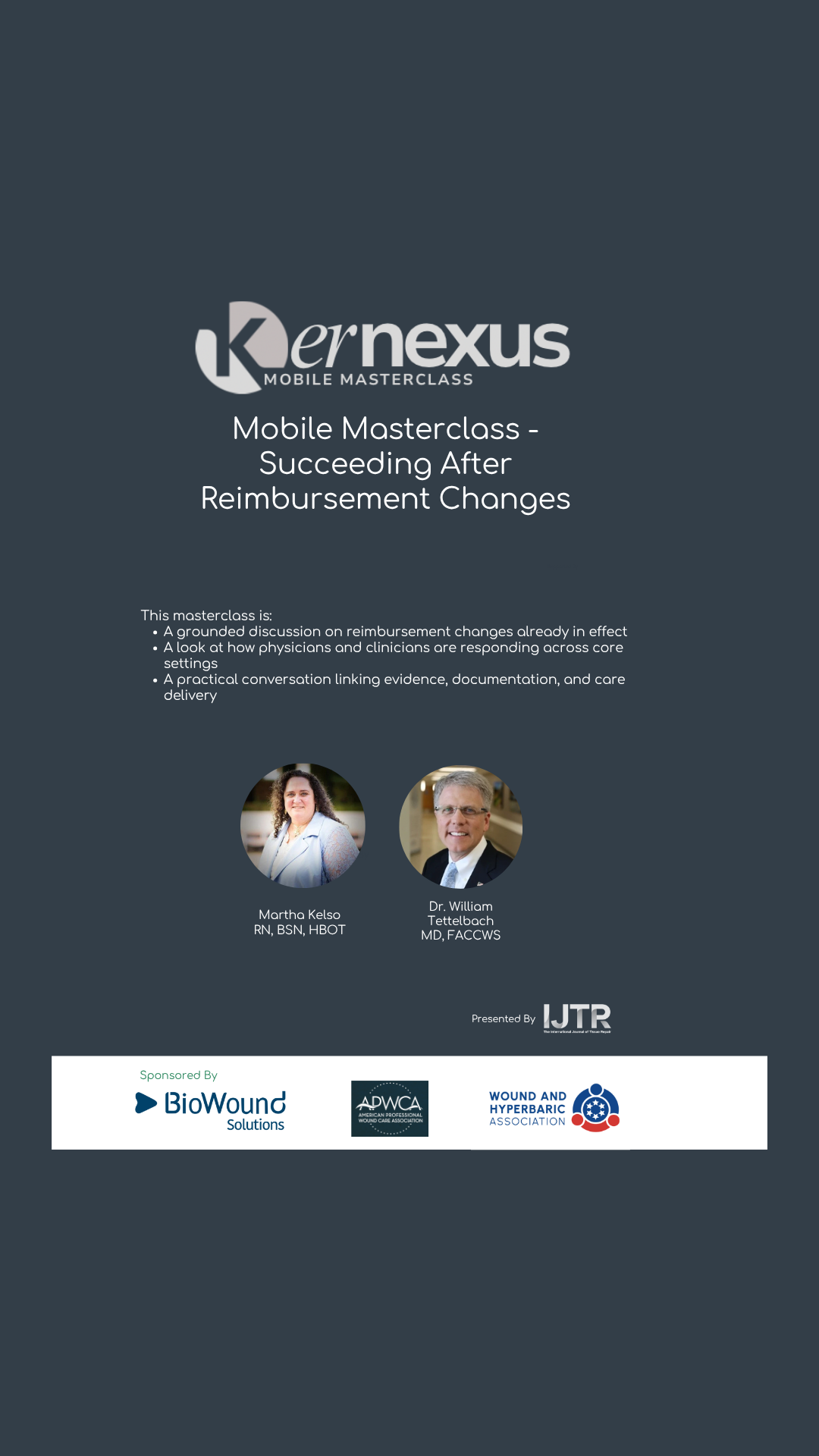
Mobile Masterclass Webinar: Succeeding After Reimbursement Changes
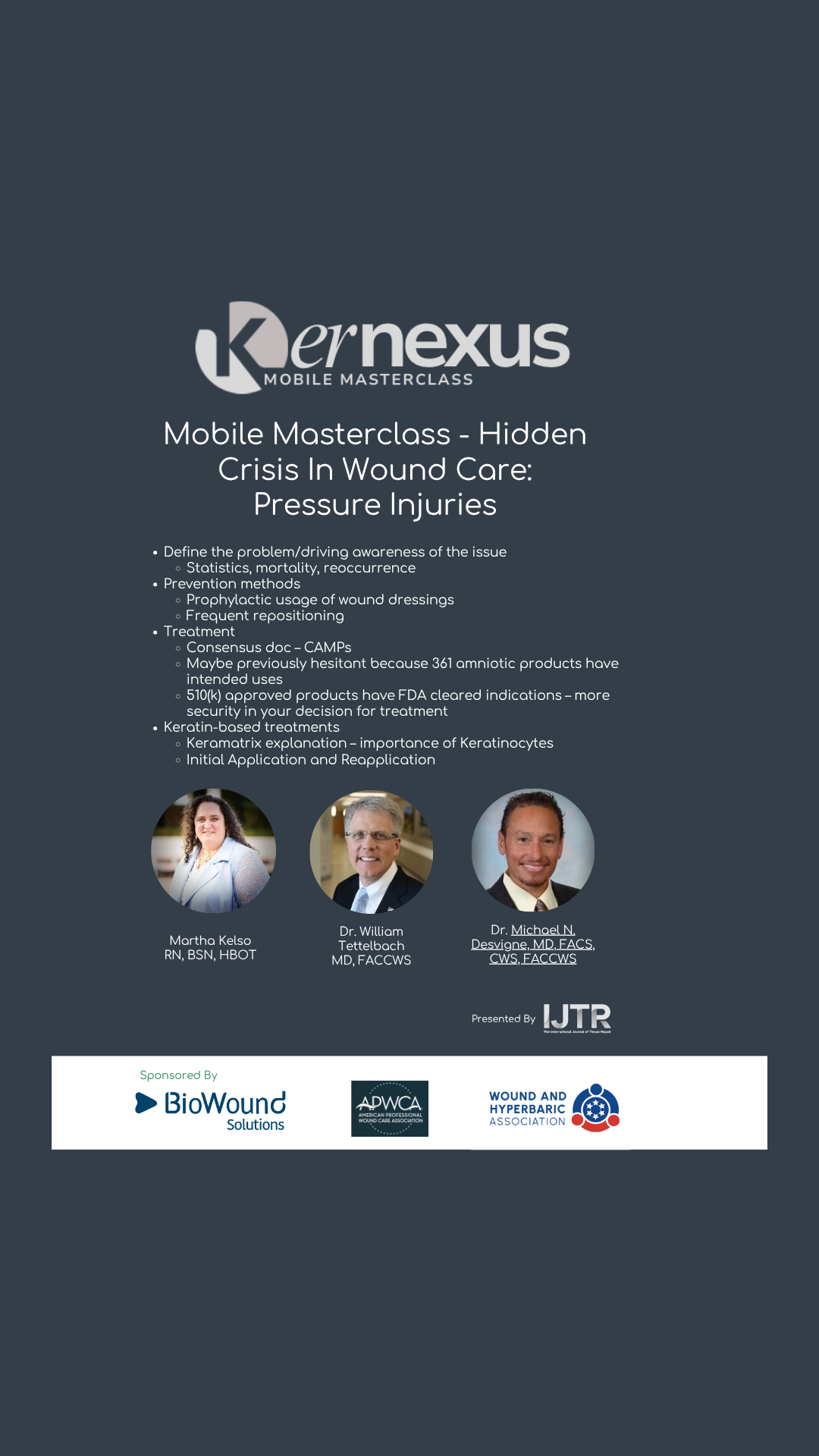
Mobile Masterclass Webinar: Hideen Crisis In Wound Care: Pressure Injuries
The Kernexus Webinar Series Continues
Our webinar programme brings together clinicians, researchers, and industry leaders to explore the realities of modern wound care - from reimbursement and regulation through to evidence, innovation, and real-world clinical practice.
Through our free, CME-eligible webinar series, we aim to deliver practical, evidence-led conversations that reflect how care is actually being delivered across mobile, outpatient, home health, and facility-based settings today.
Up Next
A new Kernexus Webinar is coming soon.
We’re currently finalising details for the next session in our webinar series, including speaker faculty, clinical focus, and CME accreditation.
In the meantime, you can catch up on previous webinars on-demand and revisit discussions from our growing educational programme.
More details to follow soon.
Our approach
Kernexus takes an evidence-first approach to scientific communications and events. We work across events, medical communications, and publishing as one connected ecosystem - ensuring insights generated in meetings and symposia translate into credible consensus, peer-reviewed publication, and lasting educational value.
Every project is expert-led, rigorously managed, and designed with purpose. From program development and PI Meetings to consensus documents and publications through IJTR, we focus on clarity, quality, and real clinical relevance.
Our role is simple: to bring complex science into alignment and turn evidence into understanding.